You clean the house, wipe the surfaces, vacuum the floors, empty the bins, and for a short while it feels better. Then somehow the smell comes back.
It is one of the most frustrating things about keeping a home fresh. The house can look spotless and still smell stale, musty, damp, or just a bit off. That leaves a lot of people wondering what they are missing.
The truth is, a house can still smell bad after cleaning because cleaning the visible mess is not always the same as removing the source of the smell. A room might look fresh on the surface, while hidden odours are still sitting in carpets, soft furnishings, drains, damp spots, or even the air itself.
If your home smells bad even after cleaning, the problem is usually not that you have done nothing. It is that the smell is trapped somewhere you have not fully dealt with yet.
Why a Clean House Can Still Smell Bad
A lot of bad smells are not sitting out in the open. They hide in places that do not always look dirty.
Carpets, sofas, curtains, cushions, mattresses, towels, bins, drains, and even your vacuum cleaner can all hold onto smells. Dust can also add to that stale feeling, especially when it builds up on soft furnishings, vents, shelves, and areas you do not clean closely very often.
Moisture is another big one. If a room feels damp, humid, or poorly ventilated, that can leave behind a musty smell even when the room itself looks clean. Bathrooms, kitchens, laundry areas, and bedrooms can all hold onto this kind of smell if fabrics stay damp or airflow is poor.
This is why some homes smell clean for a few minutes after spraying something, then go right back to smelling off again. The scent did not solve the problem. It just sat on top of it.
Masking a Smell Is Not the Same as Removing It
This is where a lot of people get caught out. A room can smell nice for a while and still not be fresh underneath.
Masking a smell means covering it up with another scent. Room sprays, candles, plug ins, and wax melts can all do that. They make a room smell nicer for a while, but if the root cause is still there, the bad smell comes back as soon as the fragrance fades.
Eliminating a smell means dealing with what is causing it in the first place. That could mean washing fabrics properly, deep cleaning carpets, cleaning drains, wet vaccing carpets, drying out damp areas, or using odour neutralisers that actually break down the smell instead of sitting on top of it.
Then comes the final step, which is scenting the home. This is where fragrance works best. Once the source smell has been removed, home fragrance can actually enhance a clean home instead of fighting against a bad one.
The real order is simple. Clean the cause, neutralise what remains, then add scent.
Common Hidden Odour Sources People Miss
One of the biggest reasons a home still smells bad after cleaning is that the smell is coming from somewhere people do not think to check.
Bins are a common one. Emptying the bag does not clean the bin itself, and residue left at the bottom can keep smelling long after the rubbish has gone. Juices from food can sit at the bottom of the bin and bacteria breeds in this environment.
Drains are another. A sink can look spotless while trapped food, grease, or soap build up inside the pipework creates a sour smell that keeps coming back.
Soft furnishings are huge smell holders. Sofas, carpets, rugs, curtains, cushions, pillows and mattresses can all trap dust, sweat, pet smells, cooking odours, and general stale air. Vacuuming helps, but it does not always remove what is buried deeper in the fibres.
Bathrooms can smell bad even after cleaning because of hidden moisture, towels that stay damp, mats that do not dry properly, toilet bases, overflow holes, or drains that have build up inside them. Boys often miss the toilet too and the smell can build up without noticing over time.
Kitchens are often affected by grease and cooking smells. These cling to fabrics, cupboard surfaces, splashbacks, extractor fans, and even walls over time. Food can be dropped down the sides of cookers and end up under kitchen units and can be easily missed during regular cleans.
A vacuum cleaner can also make things worse if it is dirty. If the bag, filter, or inside of the machine smells bad, you can end up blowing stale dusty air back into the room instead of freshening it.
Can Dust Make a House Smell?
Yes, it can.
Dust does not usually have one strong obvious smell on its own, but when it builds up, it contributes to that stale, closed in, slightly dirty smell people notice in a home. Dust also holds onto odour particles from cooking, fabrics, pets, and daily life.
That is why a room can still smell off even after vacuuming and mopping if dust is still sitting on shelves, skirting boards, vents, blinds, electronics, lampshades, and soft furnishings.
A home that smells fresh is usually one where dust is dealt with properly, not just where the floor has been done.
Why Vacuuming and Mopping Are Not Always Enough
Vacuuming and mopping are useful, but they mainly deal with visible dirt and day to day mess.
They do not always remove trapped odours from upholstery, mattresses, deep carpet fibres, curtain fabric, damp fabrics, bins, drains, or hidden corners. They also do not solve moisture problems.
This can be why people often say their house smells good for a little while after cleaning, then the old smell returns. The cleaning freshened the room temporarily, but it did not fully reset the underlying smell.
A room only really starts smelling fresh when the hidden odour sources have been dealt with as well.
Room by Room – What to Clean If Your House Still Smells Bad
In the living room, focus on sofas, cushions, curtains, rugs, and carpets. These hold onto everyday smells more than people realise. Vacuum deeply, including under furniture and into edges. Wash covers where possible and refresh fabrics properly instead of relying on surface cleaning alone.
In the bedroom, think beyond the bedding. Mattresses, pillows, curtains, wardrobes, and carpet can all trap stale smells. Wash bedding regularly, air out the room, vacuum the mattress and under the bed where possible, and do not ignore fabrics that sit untouched for weeks.
In the kitchen, clean the bin, sink drain, dishwasher seal, extractor area, fridge shelves and insides, and any fabrics like tea towels or curtains. Cooking smells love to settle where grease and moisture build up.
In the bathroom, check drains, mats, towels, toilet bases, shower curtains, and damp corners. If something stays wet too long, it often starts to smell.
In the hallway or entry area, shoes, coats, doormats, and damp items can easily create an off smell. This is especially true if airflow is poor or if wet coats have been left to hang.
In laundry or utility areas, washing machines, hampers, and damp washing are often part of the issue. A washing machine can smell bad even while cleaning clothes if it is not cleaned itself every so often.
Best Ways to Actually Get Rid of Bad Smells in the House
The best approach is to stop thinking only about fragrance and start thinking about reset.
Wash the things that hold smells. That includes throws, cushion covers, curtains, towels, mats, bedding, pet bedding, and other fabrics that quietly collect odour over time.
Deep clean soft surfaces where needed. Carpet freshening, upholstery cleaning, mattress deodorising, and drain cleaning all make a real difference when the smell keeps coming back.
Improve airflow. Opening windows, airing rooms out, and reducing humidity can help clear stale air and stop musty smells building up again.
Check for damp. If the smell is musty and keeps returning, there may be a moisture issue behind it. That needs dealing with properly, not perfumed over.
Maintain the tools you clean with. A smelly vacuum or dirty mop can put bad smells right back into the room.
Use odour neutralisers where they make sense. Baking soda, charcoal, and certain odour removing products can help absorb or break down smells rather than just cover them.
Where Home Fragrance Actually Helps
Home fragrance still has an important place. It just works best after the bad smell has been dealt with.
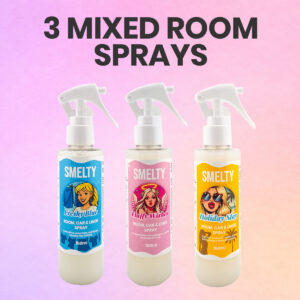
Room sprays are useful as a finishing touch or quick refresh once a room already smells clean underneath. They work far better when they are enhancing freshness rather than fighting against a stale background smell.
Wax melts and gel wax melts are good when you want to fill a room with fragrance after cleaning, especially in living spaces where you want the room to feel warm and fresh.
Sizzlers or simmering granules can help create a stronger scent throw when you want the room to feel freshly done and noticeably scented.
Carpet fresheners can help as part of the cleaning routine, especially when you are resetting the smell of a room rather than just adding perfume to it.
Candles, reed diffusers, and plug ins are all great at maintaining a fresh feeling when the base smell of the room is already right. That is the key point. Fragrance is best used to build on freshness, not replace it.
What Makes a House Smell Truly Clean?
A house smells truly clean when the bad smell is gone underneath. It is not just about smelling like lemon, laundry, or fresh cotton. It is about the room no longer smelling damp, stale, dusty, greasy, pet heavy, or musty in the background.
Once you remove the source, the clean scent actually feels believable. That is when home fragrance starts doing its real job properly.
How to Get That Fresh Home Smell That Lasts
If your house smells bad even after cleaning, the answer is usually not more fragrance. It is better cleaning in the right places, proper odour removal, and then scenting the home afterwards.
That means cleaning deeper, not just quicker. It means paying attention to fabrics, moisture, airflow, drains, bins, and hidden areas that often get missed. It also means understanding that a room can look clean without actually smelling fresh.
Once you tackle the source, everything else works better. Your sprays smell nicer. Your wax melts feel stronger. Your home finally gets that clean, fresh atmosphere people are actually looking for.